
Alcohol-related motorcycle accidents in Brooklyn pose a severe threat due to impaired driving, leading to life-altering injuries like closed head injuries (CHI). With CHI often going unnoticed, prompt treatment is crucial. Legal consequences for DWI or high BAC are stiff, and victims can seek compensation through personal injury claims. Combating this issue requires raising awareness, educating riders about CHI risks, promoting responsible riding habits, and leveraging community partnerships to foster safer streets in New York City.
In Brooklyn, alcohol-related motorcycle accidents pose a significant safety concern. This article delves into the risks associated with drunk driving and their devastating impact on riders. We explore critical issues like closed head injuries, a leading cause of disability and death in motorcycle crashes across New York City. Additionally, we examine legal responsibilities, emphasizing the accountability of drivers, and present prevention strategies aimed at fostering a culture of responsible riding. Understanding these aspects is crucial for reducing alcohol-induced tragedies on Brooklyn’s roads.
- Understanding the Risk: Alcohol and Motorcycle Safety in Brooklyn
- Closed Head Injuries: A Serious Consequence of Motorcycle Crashes
- Legal Aspects: Holding Drivers Accountable in New York City
- Prevention Strategies: Promoting Responsible Riding Culture
Understanding the Risk: Alcohol and Motorcycle Safety in Brooklyn
In Brooklyn, motorcycle accidents related to alcohol consumption are a significant concern for road safety advocates. Motorcyclists, due to their exposure and vulnerability on the road, face heightened risks when drivers are under the influence of alcohol. Alcohol impairs judgment, reflexes, and coordination—essential skills for operating a motorcycle safely. Studies show that closed head injuries, a leading cause of mortality in motorcycle crashes, are more prevalent in cases where the rider or other parties involved have been drinking.
New York City’s vibrant nightlife and social scenes often encourage alcohol consumption, which can increase the likelihood of impaired driving. Motorcyclists, in particular, should be mindful of this during leisure activities or after-work rides. Understanding the potential consequences of combining alcohol with motorcycle riding is crucial for ensuring safer streets in Brooklyn.
Closed Head Injuries: A Serious Consequence of Motorcycle Crashes

Motorcycle accidents in Brooklyn, often linked to alcohol consumption, can result in severe and life-altering injuries. One of the most concerning outcomes is closed head injury (CHI), a type of traumatic brain injury (TBI) that occurs when there’s no external sign of head trauma but internal damage to the brain. CHI is a significant concern in New York City, particularly in Brooklyn, given the high rate of motorcycle crashes involving alcohol.
These injuries can range from mild concussions to severe and permanent disabilities, affecting cognitive functions, memory, balance, and even personality. Due to the often invisible nature of CHI, victims may not immediately recognize the severity of their condition, leading to delayed treatment and potential long-term complications. It’s crucial for Brooklyn residents and visitors alike, especially those who ride motorcycles, to understand the risks associated with alcohol consumption before getting behind the wheel or riding a motorcycle to prevent such devastating consequences.
Legal Aspects: Holding Drivers Accountable in New York City
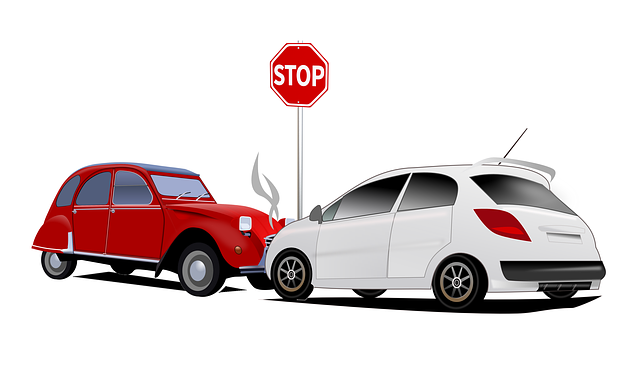
In New York City, including Brooklyn, drivers involved in alcohol-related motorcycle accidents face severe legal repercussions. The state’s strict laws aim to deter impaired driving and protect vulnerable road users like motorcyclists. If a driver is found guilty of driving while intoxicated (DWI) or with a blood alcohol content (BAC) above the legal limit, they may be subject to substantial fines, license suspension or revocation, and even imprisonment. Moreover, victims of such accidents, particularly those suffering from serious injuries like closed head injuries, have the right to seek compensation through personal injury claims.
In cases involving alcohol, establishing liability can be crucial. Law enforcement thoroughly investigates these incidents, and evidence such as BAC tests, witness statements, and surveillance footage play significant roles in prosecuting drivers. Victims of motorcycle accidents resulting from drunk driving may pursue legal action against the at-fault driver for medical expenses, pain and suffering, lost wages, and other damages. It’s essential to consult with experienced legal professionals who can guide victims through the complex legal process and help them navigate their rights and options under New York City’s laws.
Prevention Strategies: Promoting Responsible Riding Culture

In the fight against alcohol-related motorcycle accidents in Brooklyn, fostering a culture of responsible riding is paramount. Educational initiatives targeting both new and experienced riders can play a significant role in raising awareness about the dangers of drinking and driving a motorcycle. These programs can emphasize the risk of severe injuries, such as closed head injuries, which are particularly prevalent in NYC due to the high density of traffic and potential for severe collisions. By promoting responsible riding habits, including designated drivers and sober riding options, we can encourage a safer environment on New York City’s roads.
Community outreach programs and partnerships with local motorcycle clubs and safety organizations can help disseminate information effectively. Additionally, leveraging social media platforms to share success stories of responsible riding and the positive impact it has had on riders’ lives can inspire others to adopt these practices. Ultimately, building a culture that prioritizes safety and discourages impaired riding is key to reducing alcohol-related motorcycle accidents in Brooklyn and beyond.
In conclusion, addressing alcohol-related motorcycle accidents in Brooklyn requires a multifaceted approach. By understanding the heightened risks associated with intoxication and motorcycle riding, implementing robust legal accountability measures, and fostering a culture of responsible riding, we can work towards reducing devastating outcomes like closed head injuries in New York City. Prevention strategies are key to ensuring safer streets for all.